
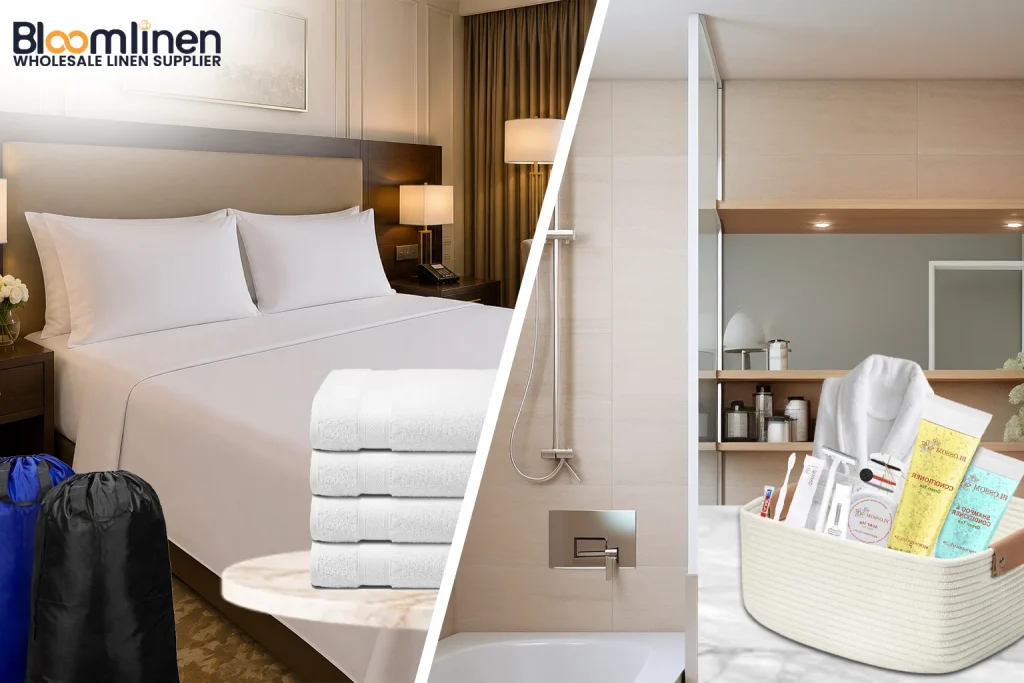
The modern hospitality industry faces a challenging paradox. As occupancy rates stabilize and average daily rates (ADR) climb, hotel guest expectations are reaching historic highs. Travelers no longer view seamless tech integration, high-tier comfort, and personalized service as premium perks—they view them as the baseline.
For property management, the immediate instinct is often to plan capital-intensive property renovations. However, moving the needle on guest satisfaction scores does not require a multi-million-dollar overhaul. True differentiation lies in the execution of strategic micro-upgrades: low-cost, high-leverage modifications to the physical and digital user experience that yield disproportionate returns in guest retention and online ratings.
What are guest expectations in hotels?
Modern hotel guest expectations center on seamless functionality, absolute hygiene, and premium comfort. Travelers anticipate frictionless technology like fast Wi-Fi and easy casting, pristine environments, and superior tactile touchpoints—particularly crisp, breathable bed linens and plush towels. Fulfilling these core needs directly drives positive reviews, guest retention, and property revenue.
The Psychology of the “Micro-Upgrade”
To understand why small changes carry massive operational weight, hotel managers must look to behavioral psychology, specifically the Peak-End Rule. This principle dictates that human beings judge an experience largely based on how they felt at its peak (the most intense emotional point) and at its end, rather than the average of every single moment.
[Arrival / Check-In] ──> [The Peak: Sleep & Comfort Quality] ──> [The End: Departure]
In a typical hotel stay, the emotional peak centers directly on room comfort and sleep quality, while the end relies on checkout friction. When a property executes small, unexpected details perfectly during these windows, the perceived value of the stay skyrockets. A guest rarely remembers the exact square footage of a room, but they will explicitly remember the tactile comfort of the bedding, the ease of charging their devices, or a thoughtful touchpoint from staff. These micro-upgrades move a guest from a state of passive satisfaction to active brand loyalty.
The Premium Linens Impact
When analyzing the physical touchpoints inside a guestroom, nothing holds a higher frequency of physical contact than commercial textiles. The weight, crispness, and texture of bed sheets and bath towels serve as an immediate proxy for the hotel’s overall cleanliness, hygiene, and luxury tier.
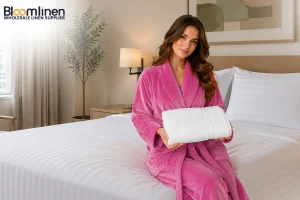
The “First Touch” Impression
Before a guest tests the plumbing or inspects the amenities, they interact with the bed. Investing in high-durability, long-staple cotton or poly-cotton blends ensures that sheets retain their crisp, smooth hand-feel even after dozens of commercial wash cycles. Thin, pilling, or greyed linens instantly signal a neglected property, directly damaging net promoter scores (NPS).
Upgrading the Sleep Ecosystem
Sleep hygiene is a critical driver of positive online reviews. Moving beyond restrictive, low-tier thread counts to focus on breathability and heat regulation transforms the sleep experience. Upgrading to commercial-grade sheets designed for optimal airflow reduces night sweats and ensures a restful night—the ultimate emotional peak of the stay.
The Heavyweight Towel Upgrade
Bathrooms are highly susceptible to negative guest scrutiny. Replacing thin, low-GSM bath sheets with plush, high-GSM (grams per square meter) towels instantly elevates a standard bathroom into a spa-like retreat. It alters the sensory perception of the room without requiring a plumbing or tile renovation.
Operational Efficiency & Operating Costs
Beyond guest satisfaction, selecting commercial textiles with reinforced stitching and high tensile strength is a vital cost-control strategy. High-quality linens withstand rigorous institutional laundering processes, mitigating premature tearing and fiber degradation. This extends the product lifespan, optimizes housekeeping efficiency during changeovers, reduces replacement frequencies, and directly lowers long-term operating costs.
Ambience & Comfort Details
Atmosphere dictates a guest’s emotional state from the moment they step across the threshold. Fine-tuning sensory details alters the entire perception of a property’s value.
Scent Branding:
Olfactory memory is tied directly to emotional recall. Introducing a subtle, high-quality, signature ambient scent via HVAC atomizers in the lobby creates an immediate sensory transition from the stress of travel to a relaxing environment.
Intelligent Lighting Control:
Harsh, cold, high-kelvin fluorescent or LED bulbs feel institutional. Swapping them for warm, dimmable LED lighting (2700K–3000K) instantly softens a room’s aesthetic, makes design elements appear richer, and aids circadian rhythms for better sleep.
The Sleep Sanctuary Drawer:
Dedicating a bedside drawer to sleep wellness by providing a clear “pillow menu” option (firm, soft, contoured) along with high-quality, complimentary earplugs and contoured eye masks establishes a deeply thoughtful environment for pennies on the dollar.
The Amenities Strategy
A hotel bathroom’s vanity setup is one of the most highly scrutinized areas of a guestroom. For years, the hospitality standard relied on miniature, single-use plastic bottles of generic soap, shampoo, and conditioner. Today, this approach damages both your sustainability metrics and your guest satisfaction scores. Upgrading these everyday personal care items is a highly cost-effective way to signal luxury and operational mindfulness.
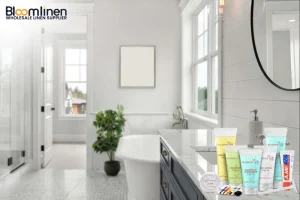
The Shift to Premium, Eco-Friendly Dispensers
Replacing individual plastic bottles with high-quality, wall-mounted locking bracket systems is a massive win for both operating costs and housekeep efficiency. Instead of disposing of half-empty plastic bottles during every guest turnover, housekeeping staff simply top off or replace secure, bulk-refilled cartridges.
[Traditional Miniatures] ──> High Plastic Waste + High Labor Cost ✗
[Secured Wall Dispensers] ──> Zero Waste + Rapid Housekeeping Top-off ✓
Formulations Over Branding
Guests are increasingly conscious of what they put on their skin and hair. You don’t need an expensive designer label to impress travelers; instead, focus on objective ingredient quality. Upgrading to formulations that are paraben-free, sulfate-free, and enriched with natural botanicals (like aloe vera, argan oil, or eucalyptus) immediately elevates the user experience. High-quality liquid soaps and body washes that lather well leave a premium, sensory impression that guests associate with high-end resorts.
How Bloom Linen Helps Hotels Deliver on the Guest Promise
Bloom Linen helps hospitality properties deliver on their guest promise by bridging the gap between operational efficiency and premium guest comfort. By manufacturing high-durability, long-staple commercial textiles and plush, high-GSM bath linens, the brand provides the essential physical touchpoints that define a guest’s perception of property luxury and hygiene.
These commercial-grade products are engineered to withstand rigorous institutional laundering cycles, reducing premature fiber degradation and lower long-term operating costs. By ensuring consistent tactile quality in the sleep and bath ecosystems, hotel management can reliably meet rising traveler expectations, protect their bottom line, and secure the positive online reviews that drive property revenue.
What is the 80/20 rule in hotel guests’ experience?
The 80/20 rule in hospitality dictates that 80% of guest satisfaction stems from just 20% of their experience. By focusing relentlessly on these vital touchpoints—such as seamless check-ins, frictionless technology, and premium, tactile comforts like high-quality linens—hotel management can drastically improve guest retention and online reviews with minimal capital investment.
How to make hotel guests feel special?
Make guests feel special by personalizing their stay with handwritten welcome notes, empowering staff to surprise them using small autonomy budgets, and optimizing comfort with premium, high-GSM bath linens.
Conclusion
Ultimately, meeting modern guest expectations is an exercise in strategic prioritization rather than capital-intensive renovation. By focusing on high-leverage micro-upgrades—from frictionless technology and empowered front-line staff to premium, durable textiles that anchor the sleep and bath experience—hotel management can drastically improve guest retention and net promoter scores.
Investing in these critical, high-frequency touchpoints ensures that every traveler enjoys a memorable, high-value stay while the property optimizes its long-term operating costs. Review your operations through the eyes of a modern traveler this week, identify your low-hanging upgrade opportunities, and unlock immediate gains in brand loyalty and property revenue.